How to Choose Sympathy Flowers After a Miscarriage
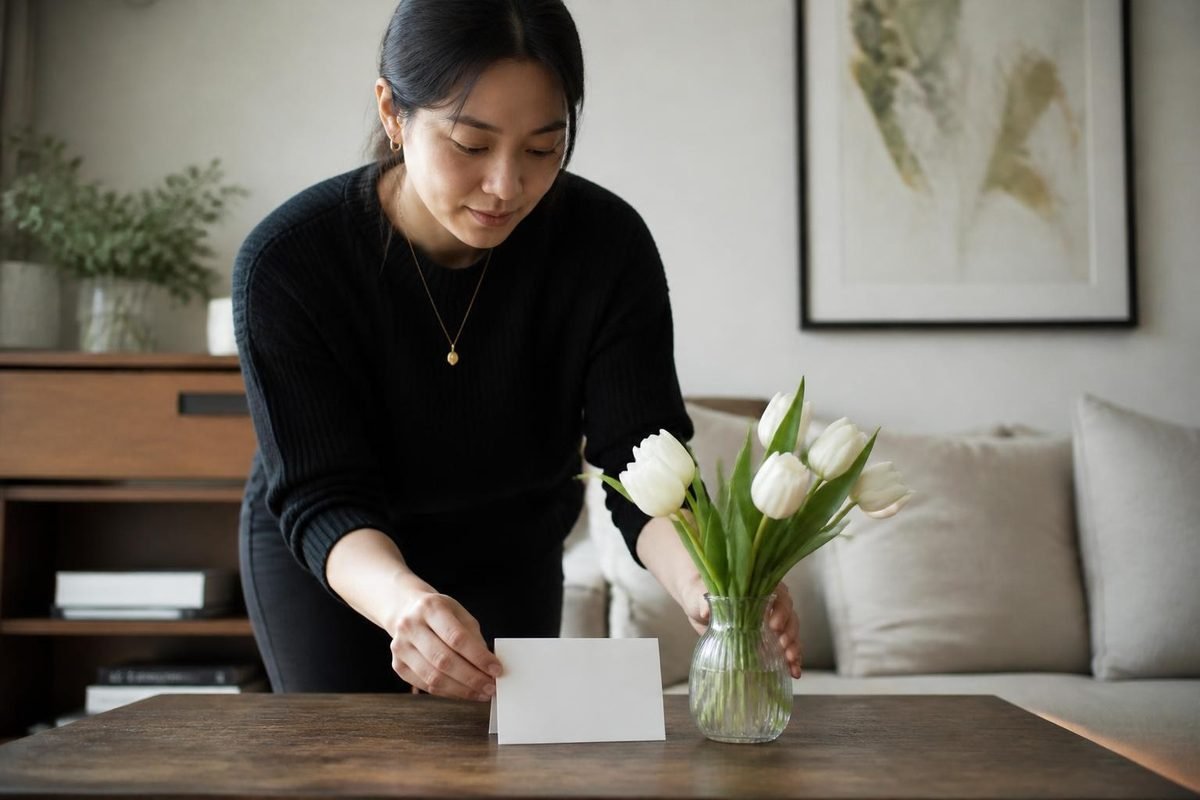
Choose sympathy flowers after a miscarriage by considering the recipient’s wishes, your relationship, and how much attention they may want right now. A modest arrangement in colors they like, accompanied by a simple note, can offer care without asking them to respond.
Start with what you know about them
Think about the flowers and colors the person usually enjoys rather than relying on a fixed meaning for a particular bloom. Someone who loves bright tulips may find them more comforting than a traditional white arrangement. Another person may prefer soft colors or no flowers at all.
If you are unsure, ask someone close to them about allergies, pets, and preferences. This small check can prevent a well meant gift from creating discomfort or extra work. If you cannot find out, keep the arrangement simple and avoid making assumptions about what their loss means to them.
Choose a manageable arrangement
A small vase of flowers can be easier to place and care for than a large display. It also gives the recipient room to decide how visible they want the gift to be. Grief after a miscarriage can be private, and a prominent arrangement may invite conversations they do not feel ready to have.
Flowers already arranged in a vase need less handling than a wrapped bouquet. Avoid strongly scented blooms if you do not know how the recipient feels about fragrance. A gentle arrangement leaves more space for their comfort than for the gesture itself.
Keep the message simple
A short note can acknowledge the loss without trying to explain it or make it better. You might write, “I am so sorry for your loss. I am thinking of you.” If you know the family well and they have shared a name they use for their baby, you can use it too.
Avoid suggesting that the person should find a lesson in the experience or move on. Even hopeful words about a future pregnancy can miss the loss they are experiencing now. Let your note stand on its own, without a request for a reply.
Consider delivery and timing
Before sending flowers to a hospital, check its delivery rules and whether the recipient is still there. Home delivery may offer more privacy, but it helps to know that someone can receive the arrangement. If you are close enough to ask, a brief message about a convenient time can be thoughtful.
There is no single correct day to send flowers. An immediate gesture may feel supportive, while a note and flowers sent later can show that you are still thinking of the person after the first days have passed.
Respect wishes about flowers
Some people find flowers comforting. Others may find them difficult to care for or painful to see. If the recipient has asked for no flowers, honor that request. A card, a meal, or a specific offer of practical help may be more welcome, depending on your relationship.
Choose a gesture that leaves the recipient free to grieve in their own way. Quiet care matters more than finding a perfect flower.
Read next: original source